Spray Foam Insulation Lakewood
Call Us: (720) 259-4505

Ultimate Guide to Attic Spray Foam Insulation for Energy Efficiency and Comfort
Key Takeaways
Understanding Attic Spray Foam Insulation
Attic spray foam insulation is a highly effective method for enhancing energy efficiency in homes. This type of spray foam insulation creates an airtight seal, which prevents air leaks and improves the overall performance of attic insulation. Spraying foam insulation expands upon application, filling gaps and cracks that traditional insulation might leave behind. Homeowners often choose attic spray foam insulation not only for its superior thermal resistance but also for its ability to reduce energy consumption significantly. Understanding the benefits and application of this foam insulation helps in making informed decisions for maintaining a comfortable living environment.
What is Spray Foam Insulation?
Attic spray foam insulation is a modern solution designed to improve thermal insulation in residential spaces. This type of insulation is made from a mixture of liquid components that expand upon application, filling gaps and cracks in attics effectively. The foam creates an airtight seal that prevents air leaks, ensuring that the home maintains a consistent temperature. As a result, homeowners can enjoy enhanced comfort and energy efficiency due to reduced heat transfer.
This foam insulation offers significant advantages over traditional insulation materials. Its ability to expand and conform to irregular spaces makes attic spray foam insulation a superior choice for attics that often present challenging configurations. By providing superior coverage, this insulation minimizes the risk of cold spots, promoting even temperature throughout the home. The longevity and durability of foam also contribute to making it a worthwhile investment in home insulation.
Benefits of Foam Insulation in the Attic
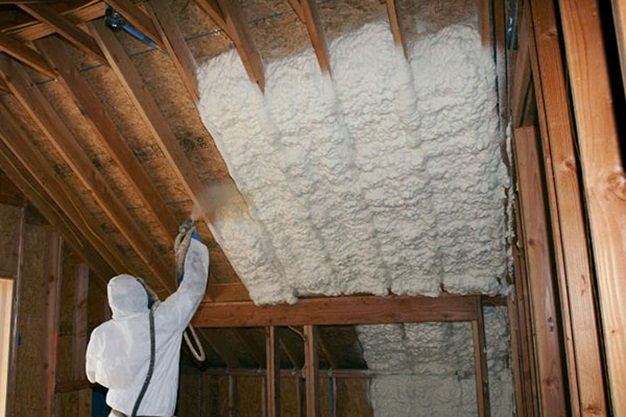
Attic spray foam insulation offers superior thermal performance that can significantly improve energy efficiency. By using a spray hose to apply closed-cell foam, homeowners can create an airtight seal that prevents heat transfer between the attic and the living spaces below. This plastic-like barrier effectively minimizes drafts, ensuring a comfortable environment year-round while reducing reliance on heating and cooling systems.
Another key benefit of attic spray foam insulation is its moisture resistance. Closed-cell foam acts as a barrier against water infiltration, helping to prevent mold growth and wood rot in the attic. This durability not only extends the lifespan of the insulation itself but also protects the structural integrity of the home. Investing in spray foam for the attic is a proactive approach to maintaining a healthy living space.
Importance of Attic Insulation
Attic spray foam insulation plays a crucial role in preventing thermal bridging, which can lead to significant heat loss in your home. This type of insulation creates an effective barrier against the cold, ensuring that your heating system, such as your furnace, operates more efficiently. By sealing gaps and cracks, attic spray foam insulation also helps maintain optimal humidity levels, reducing the risk of moisture buildup that can damage your home. An air compressor is often used during the installation process, allowing for a seamless application that contributes to long-lasting energy efficiency. Proper attic insulation not only enhances comfort but also lowers energy costs throughout the year.
Why Attic Needs Insulation
Attic spray foam insulation plays a crucial role in maintaining a consistent temperature within a home. By effectively sealing the gaps between the roof deck and the living space below, it minimizes heat transfer. This insulation method prevents warm air from escaping during winter months and reduces heat buildup in the summer, ensuring that the temperature remains comfortable throughout the year. Proper insulation can enhance the overall efficiency of a home’s heating and cooling systems by optimizing ventilation.
Without adequate insulation, attics can become a source of significant energy loss. Heat can easily seep through the roof, making it difficult to maintain a comfortable environment on the floor below. Poorly insulated areas often lead to higher energy consumption, resulting in increased heating and cooling costs. Investing in attic spray foam insulation not only improves the thermal barrier of the roof but also contributes to a more energy-efficient home.
Common Issues Caused by Poor Insulation
Poor insulation in the attic can lead to serious airflow issues within a house. Without proper attic spray foam insulation, the home becomes more susceptible to temperature fluctuations. This can cause discomfort for occupants, as well as increased energy bills. The lack of insulation allows air to escape, leading to a less energy-efficient environment.
Another consequence of inadequate insulation is the potential for unpleasant odors to develop. Without attic spray foam, moisture can accumulate in the space, creating a breeding ground for mold and mildew. These factors contribute to both health risks and reduced air quality within the home. Attic spray foam insulation serves as a barrier against such problems, ensuring a cleaner and safer living environment.
Types of Foam Insulation for the Attic
Choosing the right type of attic spray foam insulation is crucial for effective attic insulation and successful attic insulation projects. Open-cell and closed-cell foam options each offer distinct advantages that cater to different needs. While open-cell insulation provides better soundproofing and is lighter, closed-cell foam boasts higher insulation values and moisture resistance, making it ideal for areas prone to humidity. Engaging a qualified spray foam contractor can help in evaluating the specific requirements of your attic space. Utilizing professional spray foam services ensures that a spray foam rig is employed correctly, optimizing the installation process and achieving the desired thermal performance of your attic spray foam insulation.
Open-Cell vs. Closed-Cell Foam Insulation
Open-cell spray foam insulation is a popular choice for homeowners looking to enhance their attic insulation. This type of insulation is made up of cells that are not completely closed, allowing it to expand and fill gaps effectively. Its lightweight nature makes it a suitable option for those replacing old insulation with new insulation, especially in areas where sound absorption is also a priority. Open-cell foam provides decent thermal resistance, making it a solid choice for attic spray foam insulation applications.
Closed-cell spray foam insulation, on the other hand, offers a denser and more rigid solution. This form of insulation has fully encapsulated cells, providing superior insulation properties and moisture resistance. It is often recommended for areas subject to high humidity or where space is limited. For homeowners considering spray foam jobs, closed-cell foam may meet their insulation needs more comprehensively. While it comes with a higher price tag, the long-term benefits of energy efficiency and structural support make it a wise investment for attic spray foam insulation.
Choosing the Right Attic Foam Insulation
Selecting the right attic spray foam insulation is crucial for optimizing your home’s energy efficiency. Homeowners have the choice between open-cell spray foam and closed-cell spray foam, each offering unique benefits. Open-cell spray foam is lighter and more cost-effective, making it suitable for areas where space is limited. It provides excellent soundproofing qualities as well. On the other hand, closed-cell spray foam has a higher R-value, making it ideal for those looking for maximum insulation performance. Consulting with a professional spray foam crew can help you determine the best option for your specific insulation system.
The installation process plays a significant role in the effectiveness of attic spray foam insulation. Any mistakes during installation can lead to gaps that diminish insulation performance. It’s essential to work with an experienced spray foam guy who understands the nuances of individual insulation needs. Proper application ensures that the foam expands and seals correctly, creating an efficient barrier against air leaks. An expertly installed insulation system can enhance your home’s comfort and energy savings for years to come.
Installation Process of Attic Spray Foam
The installation of attic spray foam insulation is crucial for achieving superior insulation in your home. Proper insulation helps prevent issues linked to poor insulation, such as energy loss and moisture problems. During the installation process, it is essential to apply the spray foam evenly across the attic floor to ensure maximum effectiveness. Attention must also be given to potential spray foam odors that can arise during application, emphasizing the need for proper ventilation. Homeowners should weigh the benefits of professional installation against DIY efforts to ensure that the insulation is applied correctly, promoting long-term energy efficiency and comfort.
Professional Installation vs. DIY
Choosing between professional installation and a DIY approach for attic spray foam insulation can significantly impact the effectiveness of the insulation. Hiring insulation companies ensures that the proper insulation solution is applied, utilizing techniques like injection foam that achieve optimum coverage. Professionals possess the expertise to identify potential issues and make necessary adjustments during installation, ensuring a seamless application of spray that maximizes energy efficiency.
On the other hand, a DIY project may appeal to homeowners looking to save on insulation costs. However, without proper knowledge and equipment, achieving the desired results can be challenging. Homeowners might find it difficult to apply attic spray foam insulation evenly, which could lead to thermal or moisture issues down the line. It’s essential to weigh the risks and rewards before deciding whether to tackle this task personally or enlist the help of experts.
Steps Involved in Installing Attic Spray Foam
Installing attic spray foam insulation involves several critical steps to ensure an effective and efficient attic system. First, preparation is key; the attic must be cleared of any debris or old insulation that could interfere with the application of good foam. Once the space is ready, measurements should be taken to determine how much attic spray foam insulation is needed, considering any additional foam for areas that may require extra coverage. Proper ventilation should also be assessed to maintain air quality throughout the installation process.
The actual spraying of the foam requires specialized equipment and safety precautions. Protective gear such as masks and goggles must be worn to safeguard against inhaling fumes. Technicians will then spray the foam evenly into the designated areas, allowing it to expand and fill gaps. Homeowners may want to check for insulation rebate amounts available in their region following completion. A properly installed attic spray foam insulation can significantly improve energy efficiency and long-term comfort for the home.
Cost Considerations for Attic Spray Foam Insulation
Understanding the cost considerations surrounding attic spray foam insulation is crucial for homeowners aiming for efficient home insulation solutions. The price can vary significantly based on factors such as the type of foam used, with open-cell and closed-cell foam having different characteristics and costs. The foam chemical cures play a role in determining how effectively the insulation will perform over time. Equipment like a foam rig can also impact installation costs, depending on whether a professional or DIY approach is taken. Homeowners should explore available home insulation rebates, which can offset the initial expenditures and contribute to the long-term savings achieved through enhanced energy efficiency. Ultimately, investing in perfect foam insulation not only ensures better thermal performance but also supports the overall value of the home.
Factors Influencing the Cost of Foam Insulation
The cost of attic spray foam insulation can vary widely based on several factors. One key element is the type of foam used, as open cell foam is generally less expensive than closed cell alternatives. The complexity of the installation plays a significant role as well. If a large area is difficult to access, the foam crew may require more time and specialized equipment such as a spray rig and hoses, increasing overall labor costs.
Quality and brand of the insulation also impact pricing. Higher-end products may offer better performance and longevity but come with a steeper price tag. Homeowners should also consider potential foam odor, which could be a concern with certain types of insulation. Evaluating these variables can help in understanding the overall investment required for attic spray foam insulation.
Long-Term Savings with Attic Spray Foam
Attic spray foam insulation offers significant long-term savings by effectively minimizing air leakage. This type of insulation creates a robust barrier that prevents heated or cooled air from escaping the home. Reduced energy waste leads to lower utility bills over time. Investing in attic jobs that utilize quality foam core samples helps homeowners achieve optimal insulation performance. The initial cost of installation with spray rigs may seem high, but the energy efficiency gained translates into substantial savings over the years.
Manufacturers and energy companies often offer incentives like a mail-in insulation rebate, making attic spray foam insulation even more cost-effective. With the right application, homeowners will enjoy consistent indoor temperatures, reducing the workload on heating and cooling systems. This efficiency not only cuts costs but also extends the lifespan of HVAC equipment, translating into fewer repairs and replacements. Overall, the long-term financial benefits of properly installed attic spray foam insulation are undeniable.

Enhancing Energy Efficiency with Attic Insulation
Attic spray foam insulation plays a crucial role in enhancing energy efficiency within a home. This material effectively seals gaps and cracks, preventing air leaks that often lead to uncomfortable living conditions, particularly during extreme weather. The use of open cell spray foam provides excellent moisture resistance, reducing the risk of moisture buildup that can damage both insulation and structural components. Homeowners may find that investing in high-quality insulation not only improves comfort but also addresses issues like the need to replace bird family insulation in older attics. As a result, the long-term benefits of attic spray foam insulation contribute significantly to lower energy consumption and reduced heating and cooling costs.
How Attic Spray Foam Reduces Energy Consumption
Attic spray foam insulation plays a crucial role in enhancing energy efficiency by sealing gaps and reducing air leakage around roof sheathing and vents. This insulation type expands upon application, effectively filling cracks and crevices that can contribute to energy loss. By preventing conditioned air from escaping, it minimizes the load on heating and cooling systems, leading to significant reductions in energy consumption. The result is a more stable indoor temperature and improved comfort throughout the home.
Implementing an odor mitigation system alongside attic spray foam insulation can further enhance energy efficiency and indoor air quality. An odor mitigation fan can be utilized to reduce moisture and prevent the buildup of unpleasant odors within the attic space. Properly insulated attics help maintain the effectiveness of these systems by ensuring that conditioned air remains contained and efficient. This dual approach not only conserves energy but also promotes a healthier living environment, maximizing the benefits of attic spray foam insulation.
Impact on Heating and Cooling Costs
Attic spray foam insulation serves as an effective barrier against thermal transfer, helping to maintain consistent temperatures throughout the home. This insulation minimizes heat loss during winter months and keeps the upstairs rooms cooler in summer. By insulating roof rafters and sealing gaps in the attic, the insulation prevents outdoor temperatures from affecting indoor conditions. A well-insulated attic ultimately leads to less reliance on heating and cooling systems.
A moisture problem can exacerbate energy costs if left unaddressed, as it may cause damage to surrounding materials and create an uncomfortable living environment. With attic spray foam insulation, moisture is effectively controlled, reducing the risk of mold growth and air leaks. This control not only protects the structural integrity of the home but also ensures that heating and cooling systems operate more efficiently, leading to decreased energy bills.
Maintenance and Longevity of Spray Foam Insulation
Attic spray foam insulation plays a crucial role in maintaining a comfortable environment in your home. It helps to regulate temperatures in upstairs areas and ensures that gable walls remain properly insulated. Homeowners should pay particular attention to areas with steeper roofs and garages, as these structures can be more susceptible to insulation failure. Regular inspection is essential for detecting any signs of wear or damage to the attic spray foam insulation. Understanding the lifespan of this material can also guide homeowners in scheduling maintenance, ensuring effective performance in protecting against energy loss and moisture intrusion. Taking proactive measures can significantly extend the life of insulation, contributing to a more energy-efficient home overall.
Signs That Attic Needs Insulation Maintenance
Deterioration in the effectiveness of attic spray foam insulation can often manifest through noticeable temperature fluctuations within the home. If a high-efficiency furnace doesn’t seem to adequately heat or cool the living spaces, it may indicate a breakdown in air-sealing provided by the insulation. Gaps or holes can develop over time, especially around exterior walls or where ridge vents are installed, allowing conditioned air to escape and unconditioned air to enter.
Another clear sign of needing maintenance is the presence of moisture or condensation in the attic. This can compromise the integrity of attic spray foam insulation, potentially leading to mold growth. Homeowners should regularly inspect their attic for wet spots, discoloration, or any signs of pest activity, as these issues can undermine the insulation’s performance and energy efficiency.
Lifespan of Attic Spray Foam Insulation
Attic spray foam insulation is designed to last for several decades, often providing effective thermal performance for 20 years or more. This durability helps maintain a comfortable temperature in rooms throughout the home, reducing the reliance on HVAC systems. As a result, homeowners can avoid high energy bills caused by inefficient insulation. Proper installation and maintenance play significant roles in extending the lifespan of this insulation material.
Over time, factors like moisture exposure or physical damage can impact the effectiveness of attic spray foam insulation. Homeowners should regularly inspect their attics for signs of wear or deterioration to ensure optimal performance. Addressing any issues promptly can help sustain comfort levels in the home while keeping energy bills manageable. Investing in high-quality attic spray foam insulation can lead to long-term benefits in both energy efficiency and overall home comfort.
In Summary…
Attic spray foam insulation plays a crucial role in creating an energy-efficient home environment. Its ability to provide superior air-sealing helps prevent conditioned air from escaping, making it a perfect complement to a high-efficiency furnace. Without proper insulation, the furnace doesn’t operate at optimal performance, leading to increased energy costs. The insulation not only enhances the attic’s thermal performance but also impacts exterior walls by reducing drafts and unconditioned air infiltration. Properly installed ridge vents work in tandem with attic spray foam insulation, ensuring effective airflow and moisture management. Investing in this insulation contributes significantly to comfort and cost savings over time.
FAQS
What does attic insulation entail when choosing closed cell foam for an afternoon attic project?
Attic insulation entails selecting the right materials to ensure energy efficiency and comfort, and using closed cell foam can greatly enhance the performance of your insulation. This type of foam is particularly effective in afternoon attic scenarios as it not only provides excellent thermal resistance but also aids in odor mitigation systems for any potential issues. Additionally, when applying closed cell foam to your roof structures, it helps create an air barrier, preventing uncomfortable air exchanges that could interfere with living spaces, especially if you’re thinking about selling spray insulation services later on.
Why might someone feel uncomfortable selling spray foam insulation for attic projects?
Many contractors feel uncomfortable selling spray foam insulation for attic projects due to misconceptions about its effectiveness and cost, which can lead to difficulties in convincing customers of its benefits.
How can attic spray foam insulation enhance the energy efficiency of an older home?
Attic spray foam insulation can significantly enhance the energy efficiency of an older home by creating a robust thermal barrier. This helps to reduce air leaks and maintain consistent indoor temperatures, leading to lower energy bills and improved comfort levels. Proper installation of attic spray foam insulation also contributes to better moisture control, which can protect against mold and structural damage.
What factors should be considered before installing attic spray foam insulation in a home renovation?
Before installing attic spray foam insulation in a home renovation, it’s essential to consider factors such as the existing insulation quality, the climate of the area, the cost of materials and installation, and the potential energy savings that can enhance overall comfort.
What are the benefits of using attic spray foam insulation in a new construction project?
Using attic spray foam insulation in a new construction project offers numerous benefits, including superior air sealing, energy efficiency, and moisture control. This type of insulation can reduce energy costs significantly by preventing air leaks and maintaining consistent temperatures throughout the home. Additionally, it can enhance the overall comfort of the living space and improve indoor air quality by minimizing the infiltration of pollutants and allergens.
Our Service Area includes:
About Us
With a convenient establishment in Lakewood CO, Spray Foam Pros offers high quality spray foam to homeowners and businesses in Jefferson, Douglas, Denver, Adams and Arapahoe Counties. We can help you reduce energy costs, reinforce structures, and weatherproof your home. For more details on spray polyurethane foam, please give us a call (720) 259-4505
Services
– Residential Spray Foam Insulation
– Commercial Spray Foam Insulation
– Crawl Space Spray Foam Insulation
– Closed-cell Spray Foam Insulation
– Open-cell Spray Foam Insulation
– Attic Insulation
– Insulation Removal & More
Get In Touch
- 5285 W Louisiana Ave #201, Lakewood CO 80232
- (720) 259-4505
Business Hours
Monday 8AM–6PM
Tuesday 8AM–6PM
Wednesday 8AM–6PM
Thursday 8AM–6PM
Friday 8AM–6PM
Saturday 8AM–4PM
Sunday Closed
This site is a free service to assist homeowners in connecting with local service contractors. All contractors are independent and this site does not warrant or guarantee any work performed. It is the responsibility of the property owner to verify that the hired contractor furnishes the necessary license and insurance required for the work being performed.