Understanding the Basics of Spray Foam Insulation
Spray foam insulation is a popular choice for homeowners and builders alike due to its versatility and effectiveness. This type of insulation is made by mixing two chemical components that, when combined, create a foam-like substance. The foam rapidly expands and hardens, filling in gaps and covering a wide surface area. One of the key benefits of spray foam insulation is its ability to create an airtight seal, preventing air leakage and therefore reducing the transfer of heat or cold in and out of a building.
In addition to its air-sealing capabilities, spray foam insulation also has excellent thermal insulation properties. It has a high R-value, which is a measure of its resistance to heat flow. This means that spray foam can effectively regulate indoor temperatures, keeping a space warm in the winter and cool in the summer. Another advantage of spray foam is its ability to conform to irregular surfaces and fill even the tiniest of gaps, making it an ideal choice for insulating hard-to-reach areas such as crawl spaces or attics.
Exploring the Pros and Cons of Spray Foam Insulation
Spray foam insulation has gained popularity in recent years due to its unique properties and benefits. One of the key advantages of spray foam insulation is its ability to provide a tight and seamless barrier against air and moisture infiltration. Unlike traditional insulation materials like fiberglass or cellulose, spray foam expands upon application, filling any gaps or cracks in the walls or attic. This not only improves the overall comfort of a building but also helps in reducing energy consumption by preventing drafts and heat loss.
Another positive aspect of spray foam insulation is its high insulating value or R-value. R-value measures the resistance of a material to heat flow, and spray foam insulation typically has a higher R-value compared to traditional insulation. This means that it provides better thermal performance and requires less material to achieve the desired level of insulation. Additionally, spray foam insulation has been proven to last longer than traditional insulation materials, reducing the need for frequent replacements and providing long-term cost savings. However, it’s important to consider the drawbacks of spray foam insulation before making a decision.
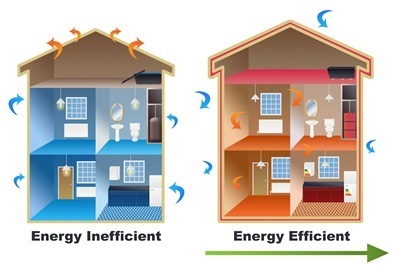
Examining the Benefits and Drawbacks of Traditional Insulation
When it comes to traditional insulation methods, there are several benefits worth considering. One of the key advantages is the affordability of traditional insulation materials. Fiberglass batts, for example, are widely available at reasonable prices, making them a cost-effective option for homeowners on a budget. Additionally, traditional insulation materials are relatively easy to install, especially when compared to spray foam insulation. This simplicity in the installation process means that homeowners may be able to tackle the project themselves, saving additional money on professional installation fees.
However, traditional insulation also comes with its fair share of drawbacks. One of the main concerns is its susceptibility to mold and moisture damage. Traditional insulation, such as fiberglass or cellulose, can absorb water and provide a breeding ground for mold if proper precautions are not taken. This can lead to health issues for occupants and require costly repairs. Additionally, traditional insulation tends to have lower R-values compared to spray foam insulation, meaning it may not provide as high of an energy efficiency rating. This can result in higher heating and cooling costs over time for homeowners.
Comparing the Energy Efficiency of Spray Foam and Traditional Insulation
Spray foam insulation and traditional insulation both contribute to the energy efficiency of a building, but they differ in their effectiveness. Spray foam insulation is known for its superior insulation properties, as it expands to fill in gaps and crevices where air leakage commonly occurs. This tight seal helps to prevent heat transfer, resulting in reduced energy consumption and lower utility bills. Additionally, spray foam insulation has a high R-value, which measures its resistance to heat flow. Its high R-value allows it to be more efficient at regulating indoor temperatures, making it an attractive option for those looking to maximize energy savings.
On the other hand, traditional insulation materials like fiberglass or cellulose may not provide the same level of energy efficiency as spray foam. These materials are often installed in the form of batts or loose-fill, which can leave gaps and spaces that allow air to pass through. Consequently, the potential for heat loss or heat gain is higher, which can lead to increased energy consumption and higher utility costs. However, when properly installed and with proper maintenance, traditional insulation can still provide notable energy savings and thermal comfort.
Considering the Environmental Impact of Spray Foam and Traditional Insulation
Spray foam insulation has gained popularity in recent years due to its energy efficiency and ability to reduce air leakage. However, when considering its environmental impact, there are certain factors to take into account. One of the main concerns is the production process of spray foam insulation, which involves the use of chemicals known as volatile organic compounds (VOCs). These VOCs can contribute to air pollution and have been linked to adverse health effects. Additionally, the disposal of spray foam insulation at the end of its lifespan can be challenging, as it is not easily recyclable and may end up in landfills.
On the other hand, traditional insulation materials such as fiberglass and cellulose have been used for decades and are generally considered to have a lower environmental impact. Fiberglass insulation is made from recycled glass and sand, while cellulose insulation is composed of recycled materials such as shredded newspapers. These materials are more environmentally friendly, as their production requires less energy and generates fewer harmful byproducts compared to spray foam insulation. Additionally, fiberglass and cellulose insulation can be recycled at the end of their lifespan, reducing their impact on the environment. However, it is worth noting that traditional insulation materials may have lower thermal efficiency compared to spray foam insulation, which can affect energy consumption and overall energy savings.